IDAD Community Score Card Project
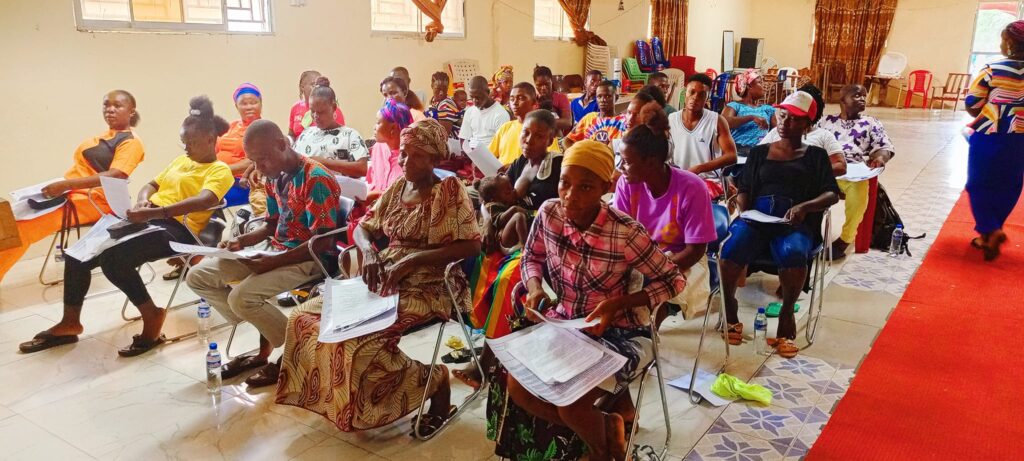
The IDAD community score project represents a comprehensive social audits tool designed to systematically evaluate and identify gaps and challenges within service provision systems. This innovative initiative serves as a bridge between communities and service providers, creating meaningful dialogue spaces where both parties can engage in substantive discussions about the critical issues affecting service delivery in their areas.
At its core, the project operates through a collaborative framework that brings together community members and service providers in structured conversations. These discussions focus on examining the various challenges that impede effective service delivery, ranging from infrastructural limitations to resource constraints, administrative bottlenecks, and communication gaps. By facilitating these exchanges, the project ensures that the voices of community members are heard and that service providers gain valuable insights into the real-world impact of their programs and initiatives.
The assessment process involves gathering detailed information about existing services, documenting community experiences and perceptions, and analyzing the effectiveness of current service delivery mechanisms. Through this thorough examination, the project identifies specific areas where improvements are needed and where resources could be better allocated to meet community needs more effectively.
Beyond merely identifying problems, the IDAD community score project takes a proactive approach by developing policy recommendations based on the findings from these community engagements. These recommendations are grounded in the lived experiences of community members and informed by the practical constraints and capabilities of service providers. This dual perspective ensures that proposed solutions are both realistic and responsive to actual community needs.
The project’s implementation spans three significant Counties in Liberia: Montserrado, Nimba, and Bong. This geographic scope allows the initiative to capture diverse perspectives and challenges across different regions, each with its unique demographic characteristics, service delivery landscapes, and developmental priorities. By operating across these three Counties, the project can identify both common challenges that transcend regional boundaries and specific issues that require locally tailored solutions, ultimately contributing to more equitable and effective service delivery throughout these areas.Retry